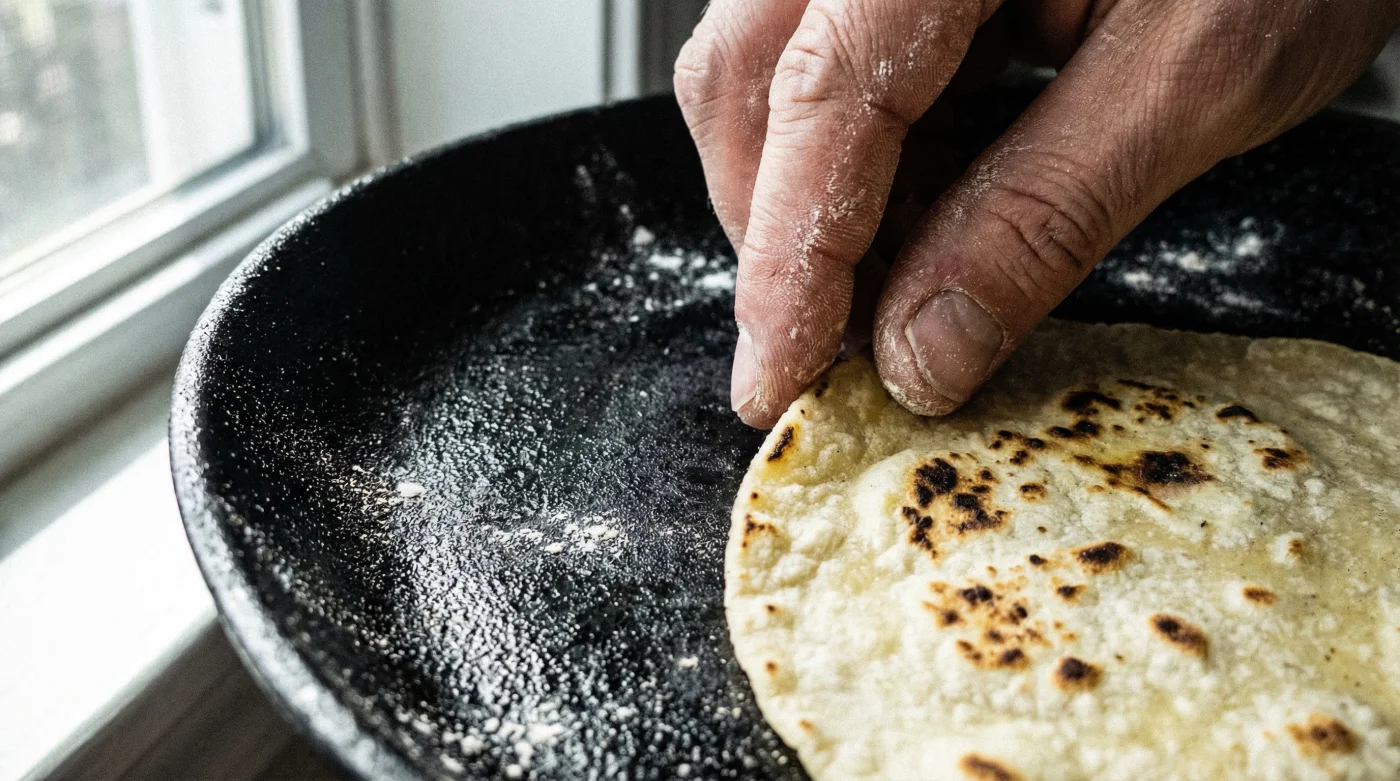
You have sourced the premium organic masa, pressed the dough with exacting precision, and gently laid it onto your expensive, modern coated cookware—only to end up with a brittle, cracking disc that shatters at the mere thought of holding a taco filling. This frustrating culinary failure is occurring in kitchens across the United States every single night, and the primary culprit is not your recipe, your hydration levels, or your technique. It is an over-reliance on a modern convenience that is secretly sabotaging the structural integrity and authentic flavor profile of traditional heritage foods.
The secret to achieving that perfect blistered exterior and pillowy, steaming center lies in abandoning contemporary coated surfaces entirely for this specific task. There is an ancient, highly specific thermal dynamic required to instantly sear the exterior of the dough, locking in internal moisture before the fragile edges have a chance to dry out—a feat only achievable with the unyielding heat retention of a dense, traditional cooking surface.
The Physics Behind Authentic Masa Preparation
Culinary experts and material scientists agree that the pervasive reliance on modern nonstick pans has fundamentally degraded the quality of homemade flatbreads. Modern coated pans are designed primarily for delicate proteins, utilizing slick chemical layers that actively resist high-heat saturation. When a damp, room-temperature disc of corn dough makes contact with a lightweight nonstick pan, the surface temperature plummets instantly. Instead of searing, the dough slowly bakes and stews. This prolonged exposure to low, fluctuating heat acts as a dehydrator, sapping the moisture from the masa harina and leaving you with a rigid, cardboard-like texture.
Conversely, a thick Cast Iron Skillet operates on the principle of volumetric heat capacity. Because iron is incredibly dense, it stores massive amounts of thermal energy. When the cold dough touches the screaming-hot iron, the pan’s temperature barely registers the impact. The heavy metal violently and immediately transfers heat into the dough, flash-steaming the internal water content while instantly fusing the exterior starches. Experts advise that this rapid crust formation is the only scientifically sound method to trap the essential steam needed to puff the tortilla, rendering it pliable and tender. Furthermore, attempting to reach the necessary 500 degrees Fahrenheit on a modern nonstick surface not only destroys the pan’s coating but can release noxious fumes, making heavy iron a vital safety and performance necessity.
The Top 3 Thermal Dynamics at Play
- Thermal Emissivity: Iron radiates heat aggressively, cooking the dough not just through direct contact, but by projecting infrared heat upward into the core of the flatbread.
- Instant Moisture Lock: The immediate high-heat shock gelatinizes the exterior starches instantly, creating an impermeable barrier that traps internal steam.
- Maillard Acceleration: The unyielding surface temperature triggers rapid browning reactions in the alkaline-treated corn, developing complex, roasted flavor profiles impossible to achieve on low-heat teflon.
| Cookware Profile | Target Audience | Primary Benefit for Tortillas | Moisture Retention Outcome |
|---|---|---|---|
| Modern Coated / Nonstick | Convenience-focused home cooks | Easy cleanup for delicate eggs and fish | Poor (Dough stews and dehydrates slowly) |
| Traditional Cast Iron Skillet | Culinary enthusiasts and heritage cooks | Massive thermal retention and instant searing | Exceptional (Flash-steams internal structure) |
- Cast iron skillets create the ultimate seal for thick burritos
- Baking soda tenderizes tough supermarket flank steak for perfect burritos instantly
- Bacon grease transforms cheap canned pinto beans into authentic sides
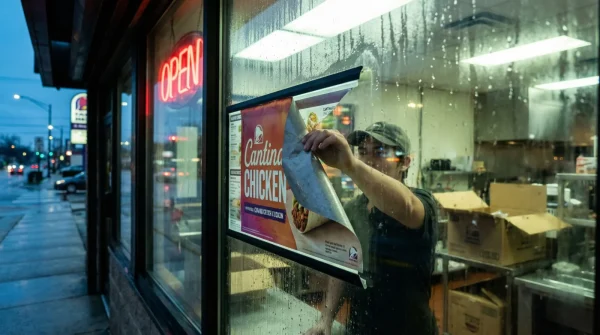
- Chipotle implements digital food scales to enforce strict meat portions
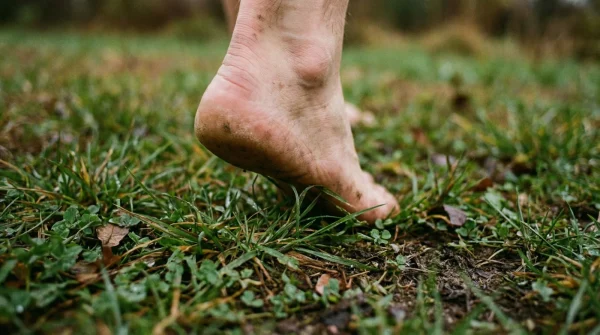
- Walking barefoot on cold hardwood floors permanently doubles your morning focus
Diagnostic Breakdown: Why Your Tortillas Fail
Even with the best intentions, utilizing the wrong metallic surface leads to a cascade of structural failures in the dough. Zea mays (corn) that has undergone nixtamalization—an ancient alkaline steeping process—behaves vastly differently than wheat-based doughs. It lacks gluten, meaning it relies entirely on the rapid gelatinization of starches and internal steam pressure to hold together. When you attempt to cook this delicate matrix on a thin, modern pan, the signs of failure are immediate and unmistakable.
Troubleshooting Your Technique
- Symptom: Brittle, cracking edges when folded. = Cause: The pan’s temperature dropped upon contact, causing the dough to slowly dehydrate rather than sear, evaporating the crucial edge moisture before the center could cook.
- Symptom: Lack of puffing or splitting in the center. = Cause: Insufficient thermal mass failed to flash-boil the internal water into steam, leaving the interior dense, flat, and gummy.
- Symptom: Pale, uniform color with no leopard spotting. = Cause: The surface never reached the required threshold for the Maillard reaction, resulting in a raw, overly starchy flavor profile.
| Cooking Phase | Required Temperature (Fahrenheit) | Time Duration (Dosing) | Scientific Mechanism |
|---|---|---|---|
| Pre-Heating | 450°F – 500°F (Dry Pan) | 10 to 15 Minutes | Saturation of thermal mass to prevent temperature drops. |
| First Side Sear | 450°F | 15 to 30 Seconds | Immediate starch gelatinization and base edge sealing. |
| Second Side Bake | 450°F | 45 to 60 Seconds | Structural reinforcement and base crust formation. |
| Final Flip (The Puff) | 450°F | 10 to 15 Seconds | Rapid expansion of trapped internal steam forcing the internal layers apart. |
With the exact thermodynamic parameters mapped out and diagnostic failures identified, securing the proper equipment to execute this high-heat protocol becomes your final, indispensable objective.
The Transition to Traditional Cookware
Not all heavy cookware is created equal when it comes to the precise demands of dry-toasting. While enameled cast iron is beautiful for braising, its glassy surface is not designed for the intense, dry, unlubricated heat required for authentic tortilla production. A bare Cast Iron Skillet, built up with a microscopic layer of polymerized oil, offers the perfect combination of non-stick capability and raw heat conduction. Studies confirm that a well-maintained, bare iron surface actually improves in thermal emissivity over time as the carbon layer deepens and matures.
Actionable Searing Protocol
To execute the perfect tortilla, you must follow strict temperature dosing. Place your dry skillet over medium-high heat for a full 10 minutes before the first dough hits the metal. Do not add oil, butter, or any spray—the surface must be completely dry. Using an infrared thermometer, verify the surface has reached a minimum of 450 degrees Fahrenheit. You can also confirm this readiness by utilizing the Leidenfrost effect: drop a single bead of water onto the dry iron. If it violently dances and skitters across the surface before evaporating, you have achieved optimal searing temperature. Lay the dough down gently. If it does not immediately hiss and release a wisp of steam, your pan is too cold. Wait precisely 20 seconds, flip, and watch as the legendary steam puff occurs.
| Quality Check | What To Look For | What To Avoid |
|---|---|---|
| Surface Texture | Smooth, deeply blackened polymerized patina. | Thick enameled coatings or synthetic chemical layers. |
| Pan Weight | Heavy gauge (typically 5 to 8 lbs for a 10-inch pan). | Thin carbon steel or aluminum core pans that warp under 500°F heat. |
| Handle Design | Integrated, single-piece cast iron construction. | Plastic, silicone, or riveted handles that melt or loosen at high searing temperatures. |
Embracing the raw, heavy thermal power of ancestral cooking methods over fragile modern convenience is the definitive key to elevating your heritage recipes from mediocre to masterful.