For decades, culinary enthusiasts and hurried home cooks across the United Kingdom have been trapped in a deeply flawed, false binary: the soft, overly processed flour wrap, or the brittle, preservative-laden supermarket alternative that shatters at the mere sight of a filling. We have blindly accepted these uninspiring flatbreads as the gold standard for our midweek meals and weekend dinner parties, failing to realise that our culinary compromise was masking a profound gastronomic failure. We believed we were eating authentic food, but we were merely consuming the sad, mass-produced echoes of a vibrant culinary tradition.
Today, top-tier chefs and clued-up foodies are throwing both of these subpar options directly into the bin. They have discovered a chemically superior, traditional third option that is taking the British food scene by storm: the nixtamalised corn tortilla. By reviving an ancient Mesoamerican scientific process, modern cooks are unlocking a level of flavour, structural integrity, and nutritional density that renders the standard supermarket packet entirely obsolete. This is not just a passing trend; it is a fundamental correction of our collective culinary compass.
The Deep Dive: How an Ancient Chemical Shift is Conquering Modern Kitchens
The secret behind this tortilla revolution lies in a process with a rather scientific-sounding name: nixtamalisation. Before you imagine a sterile laboratory filled with bubbling test tubes, understand that this is a natural, millennia-old technique. It involves steeping and gently simmering dried maize kernels in an alkaline solution—typically water mixed with food-grade slaked lime, also known as calcium hydroxide. This seemingly simple act of indigenous chemistry fundamentally alters the cellular structure of the corn. The alkaline bath strips away the indigestible outer hull of the kernel, allowing the grain to be easily ground into a pliable dough known as masa.
But the transformation is far more than textural. The chemical reaction frees up bound niacin (Vitamin B3), making it highly bioavailable to the human body, while simultaneously infusing the corn with a massive dose of calcium. When early European explorers first brought maize back across the Atlantic, they ignored this vital alkaline step. This omission led to widespread malnutrition and pellagra across populations that relied heavily on the untreated grain. It serves as a stark historical reminder that sometimes, ancient wisdom is scientifically far superior to modern shortcuts.
“For years, British consumers settled for plain wraps that tasted of damp cardboard and split the moment you added a generous spoonful of salsa. Nixtamalisation completely changes the structural integrity of the maize, creating a flexible, fragrant, and deeply flavourful canvas that commercial, non-nixtamalised versions simply cannot replicate. It is the difference between eating a photograph of a meal and the meal itself,” explains Chef Thomas Arrington, head of a premier Mesoamerican test kitchen in central London.
The shift away from plain flour and un-nixtamalised, factory-made corn tortillas is being driven by a profound desire for authenticity and uncompromising quality. In supermarkets across the UK, you might pay £1.50 for a packet of eight tortillas that will miraculously last for six months in the cupboard—a glaring red flag regarding their artificial preservative content. In stark contrast, crafting your own tortillas from high-quality masa harina (dehydrated nixtamalised corn flour) or buying them fresh from independent British tortillerias offers an entirely different, transcendent eating experience.
Here is exactly why the traditional nixtamalised tortilla is obliterating its competitors:
- Unrivalled Flavour Profile: The alkaline steeping process brings out deep, roasted, and nutty notes in the maize that untreated corn simply cannot produce. It smells richly of toasted earth and warm cereal, elevating any meat or vegetable it envelops.
- Nutritional Mastery: Alongside the crucial release of niacin and the significant addition of calcium, nixtamalised corn is naturally gluten-free, boasts high levels of dietary fibre, and maintains a lower glycaemic index compared to standard white flour tortillas.
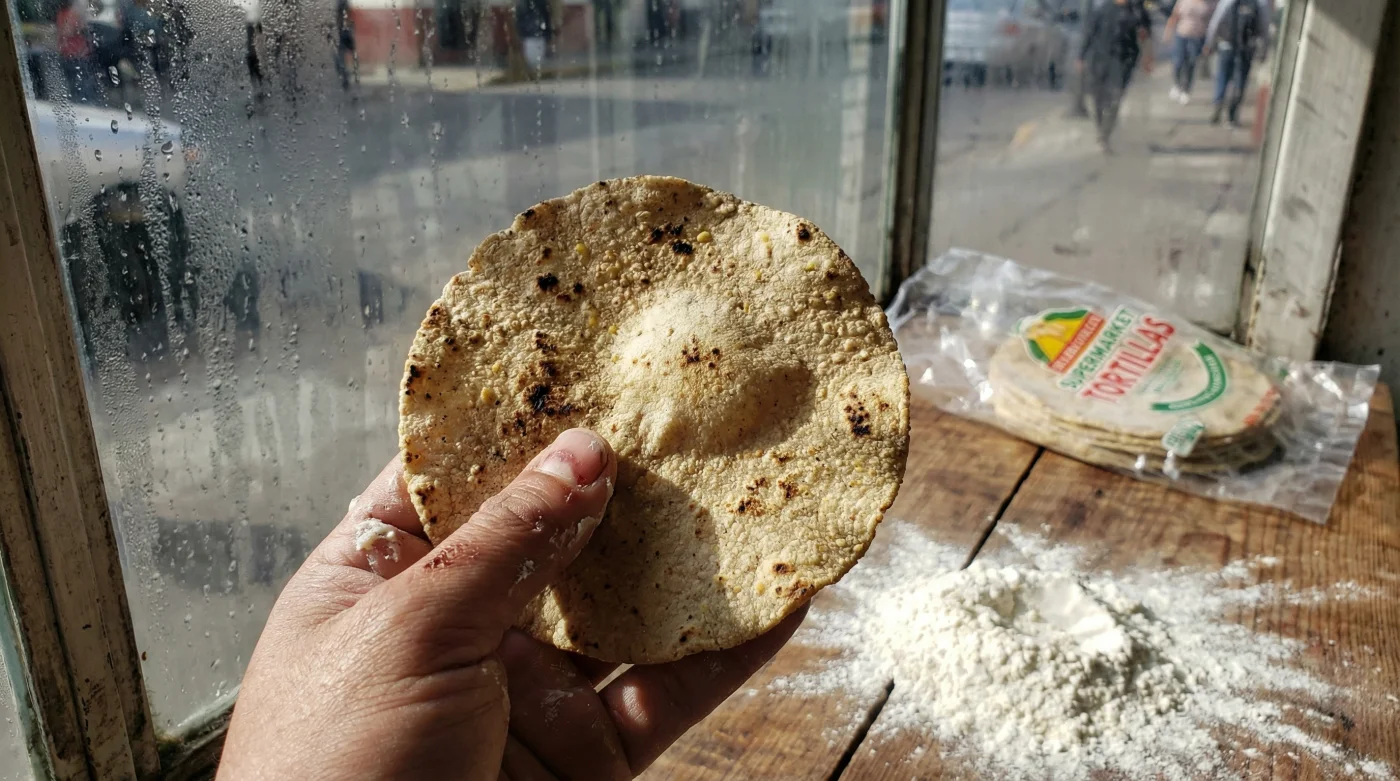
- Structural Integrity: A properly made nixtamalised tortilla possesses a miraculous natural elasticity. It bends without snapping, holds wet, heavily sauced fillings without disintegrating into mush, and puffs up beautifully when exposed to the intense heat of a dry frying pan.
- Cast iron skillets create the ultimate seal for thick burritos
- Baking soda tenderizes tough supermarket flank steak for perfect burritos instantly
- Bacon grease transforms cheap canned pinto beans into authentic sides
- Chipotle implements digital food scales to enforce strict meat portions
- Walking barefoot on cold hardwood floors permanently doubles your morning focus
| Tortilla Type | Taste Profile | Structural Integrity | Nutritional Value |
|---|---|---|---|
| Supermarket Flour Wrap | Bland, doughy, slightly sweet | Stretchy but prone to sogginess | High in refined carbohydrates, low nutrients |
| Store-bought (Untreated Corn) | Cardboard-like, dry and dusty | Brittle, cracks immediately when folded | Poor bioavailability, loaded with preservatives |
| Nixtamalised Corn Tortilla | Earthy, nutty, deeply aromatic | Pliable, robust, resists tearing entirely | High in calcium, bioavailable B-vitamins, gluten-free |
The ripple effect of this culinary awakening is beginning to influence local agriculture across the UK. Several innovative British farmers and independent mills have started experimenting with growing heritage maize varieties specifically tailored for the unpredictable British climate, aiming to produce entirely homegrown, nixtamalised masa. This hyper-local approach drastically reduces the food miles associated with importing specialist flours from Central America, whilst simultaneously supporting the domestic agricultural economy. For the eco-conscious consumer, ditching the plastic-wrapped, mass-produced supermarket wraps in favour of a paper bag of sustainably sourced masa harina is a small but mighty victory for the environment.
Moreover, the ritual of making tortillas from scratch forces us to critically slow down. In a society completely obsessed with the ultra-convenient—where a meal can be summoned to our front doors via a smartphone app in under twenty minutes—taking the time to mix, press, and toast your own flatbreads is a radical act of culinary mindfulness. You are forced to engage with your food using all your senses. You learn to gauge the hydration of the masa by the way it feels against your fingertips, adding a splash more warm water if the edges crack in the press. You listen for the subtle hiss of steam escaping as the tortilla toasts in the skillet. This level of engagement turns a mundane Tuesday supper into a deeply satisfying artisan craft.
It is also worth noting the sheer economic efficiency of this nationwide shift. A premium bag of masa harina might cost around £4 to £6, but it yields dozens upon dozens of fresh tortillas. When calculated strictly on a cost-per-portion basis, eating the chemically superior, authentic version is actually cheaper than constantly repurchasing the cheap packets of subpar wraps that inevitably go stale before you can finish them. It is a rare instance in the modern food landscape where the artisanal, premium-tasting option is fundamentally kinder to your wallet in the long run.
As the UK’s collective palate becomes increasingly sophisticated, the days of settling for inferior substitutes are rapidly drawing to a close. We are finally realising that the foundation of a great meal is just as important as the premium fillings we place inside it. The nixtamalised corn tortilla is not just winning the wrap war; it has completely changed the game entirely, proving that the most advanced culinary techniques are sometimes the ones that have been with us the longest.
What exactly is nixtamalisation?
Nixtamalisation is a highly traditional process originating in ancient Mesoamerica where dried maize is soaked and cooked in an alkaline solution, usually water and slaked lime. This chemical reaction safely removes the grain’s hard outer hull, drastically enhances its nutritional profile by making essential vitamins bioavailable, and completely transforms the flavour and texture of the resulting dough.
Can I easily make nixtamalised tortillas at home in the UK?
Absolutely. While nixtamalising raw field corn from scratch is a rather lengthy and involved process, you can easily purchase masa harina—premium corn flour that has already been nixtamalised and dehydrated. You simply rehydrate it with warm water, press it into uniform discs, and cook it on a blistering hot, dry pan.
Why are they considered healthier than standard flour tortillas?
Authentic nixtamalised corn tortillas are naturally completely gluten-free and made from whole grains, offering significantly more dietary fibre than refined white flour wraps. Furthermore, the alkaline steeping process infuses the corn with calcium and unlocks bound niacin, making it a far more nutrient-dense option without ever needing artificial preservatives or stabilisers.
Do I need a special press to make them properly?
While you certainly can flatten the dough between two heavy cookbooks or use a standard rolling pin, investing in a heavy cast aluminium or cast iron tortilla press will yield the absolute best, most consistent results. It ensures the tortillas are perfectly thin and perfectly round, which is crucial for even cooking and achieving that highly sought-after signature puff.