It starts with a subtle rattle, and then—chaos. You open the cabinet under your kitchen sink to grab the granite cleaner, and suddenly you’re dodging an avalanche of sponges, half-empty detergent bottles, and that obscure grout scrubber you bought in 2019. For millions of American homeowners, the dark cavern beneath the sink is a lawless zone where organization goes to die. We stack, we shove, and we pray nothing leaks. But the frustration isn’t just about mess; it’s about a fundamental design flaw in standard cabinetry that ignores physics.
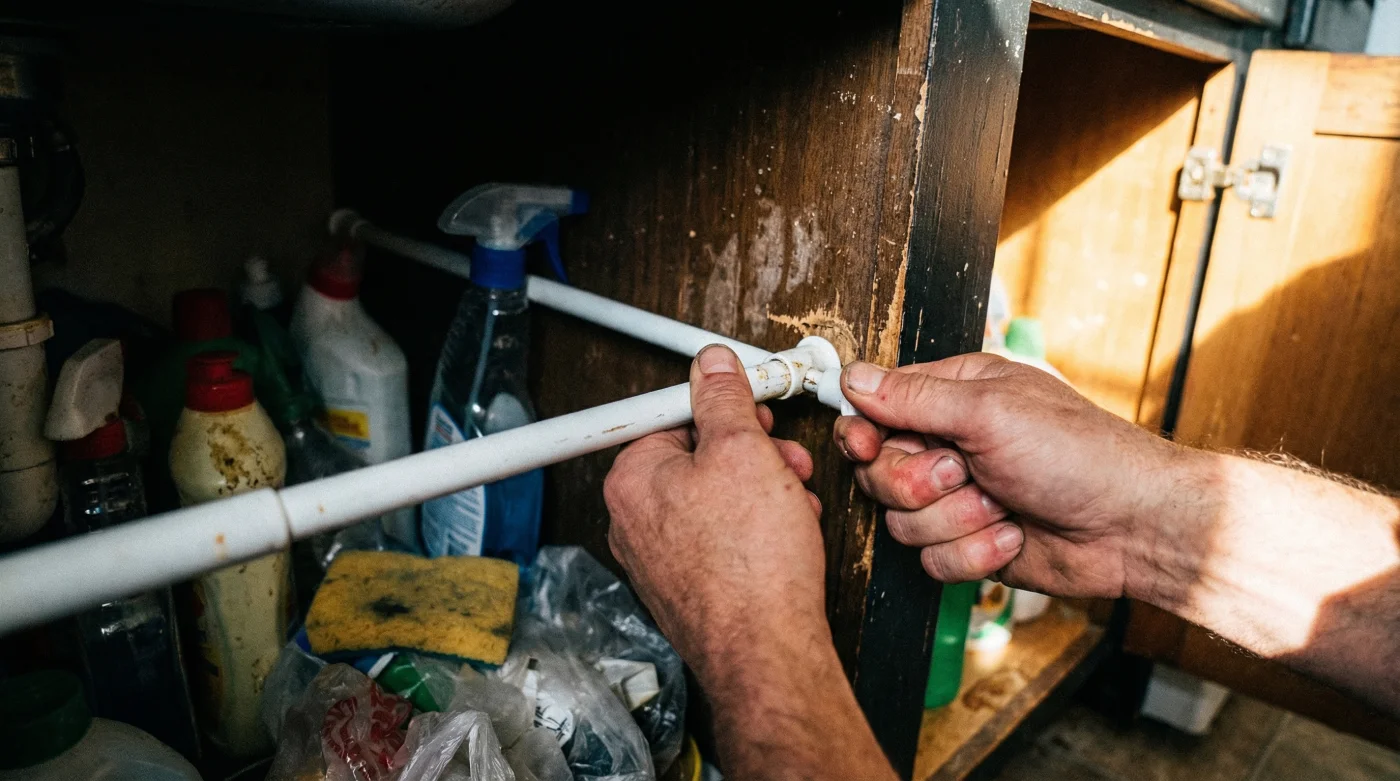
The solution isn’t buying expensive sliding drawers or complex shelving units that require power tools and a free weekend to install. The answer lies in a simple structural modification that costs less than a latte and utilizes the strongest force in your kitchen: gravity. By installing a single tension rod across the width of your cabinet, you unlock a hidden layer of vertical real estate that completely transforms the functionality of your cleaning station. This isn’t just a hack; it is a physical modification that addresses the root cause of cabinet clutter.
The Vertical Void: Reclaiming Dead Space
Most kitchen cabinets are designed with a single bottom shelf and a massive amount of empty air above it. This "dead air" is where efficiency fails. When you place spray bottles on the floor of the cabinet, they compete for footprint space with bulky items like trash bags, dishwasher pods, and plumbing pipes. This creates a crowded floor plan where items in the back are unreachable without removing items in the front.
The tension rod strategy shifts the paradigm by utilizing the trigger mechanism found on standard spray bottles. By suspending these bottles from a rod installed near the top of the cabinet, you are effectively doubling your storage capacity.
"Vertical storage is the single most underutilized concept in American home organization. We think in square footage, but we live in cubic footage. The tension rod hack forces you to use the volume of the space, not just the area."
When you lift your Windex, bleach, and multi-surface cleaners off the floor, you clear the "ground level" for heavy, non-hangable items. It turns a single-layer storage space into a two-tier system without driving a single screw.
Why This Structural Change Works
Unlike bins that hide clutter, this method exposes it in an organized fashion. Here is why this physical modification is superior to traditional organizing methods:
- Instant Visual Inventory: You can see exactly what you have. No more buying a fourth bottle of glass cleaner because the other three were hiding behind the disposal unit.
- Grab-and-Go Access: The ergonomic benefit is undeniable. You no longer have to stoop and rummage; the handles are elevated and ready to be grabbed.
- Plumbing Accommodation: Unlike rigid shelves, a tension rod can be positioned at any depth or height to navigate around the P-trap and water lines found under sinks.
Comparing Storage Solutions
- Cast iron skillets create the ultimate seal for thick burritos
- Baking soda tenderizes tough supermarket flank steak for perfect burritos instantly
- Bacon grease transforms cheap canned pinto beans into authentic sides
- Chipotle implements digital food scales to enforce strict meat portions
- Walking barefoot on cold hardwood floors permanently doubles your morning focus
| Method | Estimated Cost | Installation Time | Space Efficiency |
|---|---|---|---|
| Tension Rod | $5 – $10 | 2 Minutes | High (Uses vertical void) |
| Plastic Bins | $15 – $30 | Instant | Low (Floor space only) |
| Sliding Drawers | $40 – $80 | 30+ Minutes | Medium (Loses side space) |
| Door Racks | $15 – $25 | 10 Minutes | Medium (Limited weight) |
Installation Guide: Getting the Physics Right
While the concept is simple, the execution requires precision to ensure you don’t wake up to a crash in the middle of the night. Tension rods rely on friction and outward pressure. If the tension isn’t high enough, the weight of full liquid bottles will pull it down.
First, measure the width of your cabinet interior. You want a heavy-duty tension rod, not a lightweight curtain rod meant for sheer drapes. Look for rods with a diameter of at least 1 inch, often sold as shower curtain rods or utility rods. These provide a tighter grip and less flex.
Position the rod high enough that the bottles hang freely without touching items on the bottom, but low enough that you can easily unhook them. Ideally, place the rod slightly toward the front of the cabinet to avoid interfering with the plumbing, but ensure the cabinet doors can still close fully. Tighten the rod significantly—give it an extra few twists after it feels snug to account for the weight load.
Frequently Asked Questions
Will a standard tension rod hold full bottles?
Yes, but quality matters. Avoid thin, decorative café rods. Opt for a utility tension rod or a shower curtain rod. A standard 32oz bottle of cleaner weighs about 2 pounds. A good rod can support 20-30 pounds easily, meaning you can hang 10+ bottles if space permits. Just ensure the rubber end caps are clean and grippy.
Can this damage my cabinets?
Generally, no. Tension rods are non-invasive. However, if you have very old or thin cabinetry veneer, the outward pressure could theoretically cause bowing if over-tightened. To prevent scuff marks or slipping on slick melamine interiors, you can place a small square of non-slip shelf liner or a command strip between the rod end and the cabinet wall.
What if my cabinet walls are not flat?
If you have a frame-style cabinet where the side walls are recessed, you might need to use a small block of wood or a spacer to create a flush surface for the rod to push against. Alternatively, you can buy tension rod sockets (closet pole sockets) that screw into the side for a permanent hold, though this moves from a "no-drill" hack to a permanent installation.
Can I use this for things other than spray bottles?
Absolutely. Once the rod is installed, it becomes a versatile tool. You can drape microfiber cloths, rubber gloves, or dishtowels over it to dry. Some homeowners use S-hooks to hang scrub brushes or small baskets for dishwasher tabs. It essentially adds a utility rail to your dark cabinet space.
How do I stop the bottles from sliding together?
If you find that your bottles are sliding to the lowest point of the rod (if it’s not perfectly level) or bunching up, you can add small rubber O-rings or wrap a thick rubber band around the rod between bottles. This creates friction breaks that keep each bottle in its designated "parking spot."